

Electrical Signature Analysis
Condition monitoring from the motor control cabinet. Not the machine.
SAM4 reads current and voltage from the MCC to monitor critical AC-motor-driven assets. ESA, AI, and Samotics reliability engineers convert electrical signal changes into validated maintenance actions. No sensors on the asset. Works on submerged, hazardous, remote, and enclosed equipment where conventional vibration monitoring is difficult to deploy.


The monitoring gap starts with access.
Most condition monitoring methods rely on capturing a physical signal at or near the machine. That works when the signal is accessible. Vibration sensors must be mounted close to the bearing housing. Thermal cameras need line of sight. Ultrasound requires proximity.
But many critical assets are submerged, enclosed, hazardous to access, or located behind confined-space controls. For these assets, monitoring is not just a matter of adding another sensor. Installation can mean shutdowns, scaffolding, specialist access, and added safety overhead.
Manual inspections help, but they are snapshots. They show what was true when someone checked. Between checks, deterioration can develop unnoticed.
At fleet scale, those constraints leave critical assets effectively unmonitored until performance drops, alarms trigger, or failure occurs.
“In the steel industry, assets frequently operate in conditions that are not hospitable to sensitive sensor technologies. The conveyors at our hot strip mill are a critical part of the production process, but it's virtually impossible to use manual or vibration-based techniques to assess their condition.”
Monitor from the cabinet. Not the machine.
Every AC motor is also a sensor. Across its narrow air gap, electrical energy becomes rotational power. Disturbances anywhere in the motor, drivetrain, or driven asset modulate the current and voltage waveform.
The changes are small, but often repeatable. Rotor faults, electrical faults, misalignment, imbalance, bearing degradation, cavitation, blockage, and airlock can each leave fingerprints in the electrical signal when operating conditions are right.
SAM4 captures high-resolution current and voltage data at the motor control cabinet, analyses those patterns, and detects developing faults early enough for planned action.
Where SAM4 fits. SAM4 is strongest where relevant faults create measurable changes in the motor current or voltage signature. Fit depends on asset type, load profile, drivetrain configuration, operating behaviour, and the failure modes you need to detect. The asset fit review tells you where SAM4 adds value, and where it does not.

Hardware, software, and expert review in one system. SAM4 combines measurement hardware (cabinet-installed, or the drive's own hardware on integrated ABB ACS880 cabinets), cloud analytics, reliability engineering review, and workflow integrations.
SAM4 models flag candidate patterns. Samotics reliability engineers review ambiguous and edge-case detections before they reach your team. When an alert is sent, it includes the likely fault type, severity, diagnostic evidence, and a recommended action.
Your planners do not receive raw alarms. They receive validated maintenance actions they can inspect, challenge, and act on.
You can run SAM4 as a standalone monitoring layer or alongside your existing reliability programme. It works with vibration systems, SCADA, and maintenance planning tools. You do not need to replace your existing monitoring programme. SAM4 fills the gap that access-dependent systems leave open.
How ESA detects faults See the SAM4 platform Meet the monitoring team
Confidence, visibility, and performance you can inspect.
More confidence in asset condition
More than 90% of surveyed customers report increased confidence and visibility in asset condition. SAM4 helps teams understand which assets are healthy, which need attention, and where maintenance effort should go next.
Visibility where others can't reach
SAM4 measures from the electrical cabinet, not the machine. That makes continuous monitoring practical for submerged pumps, enclosed drives, ATEX-zone motors, rooftop fans, and other assets where mounted sensors are difficult to install, inspect, or maintain.
Detection performance you can inspect
95.5% recall on confirmed real conditions. 2.1% post-review false-alert rate. Calculated across 1,467 scored incidents on the monitored fleet in the last 12 months. Performance varies by asset type, fault mode, operating profile, and data quality.
Maintenance actions, not alarm noise
Your team receives validated reports with fault type, severity, diagnostic context, supporting evidence, and a recommended next step. That makes it clearer where the issue sits and what action to take.
Proof from operating sites, not lab claims.
Named customers, quantified outcomes, and independent verification where available.

Yorkshire Water
£10M+ in benefit across the deployment, per Yorkshire Water's internal analysis.
2,500+ pumping stations monitored from the electrical panel. 15% of inspection trips replaced per year. Submerged pumps that mounted vibration sensors could not practically cover became part of a continuous monitoring programme.

Nyrstar
800% ROI in 11 months.
Zinc smelter assets monitored from the motor control cabinet, without placing sensors in the harsh process environment. SAM4 detected 7 developing faults before failure, helping avoid more than €1M in repair and downtime costs.

Schiphol Airport
9 of 9 known failures detected, including bearing damage that vibration monitoring did not pick up.
Baggage handling motors monitored continuously. Monitored assets had zero unplanned downtime during the reported period.
“SAM4 detected possible bearing damage to the gearbox motor, which we had not picked up through our vibration monitoring.”
Need to validate the claims with a peer? Ask us for a relevant customer reference for your asset type or industry. See all customer results · Request a customer reference
The assets SAM4 monitors.
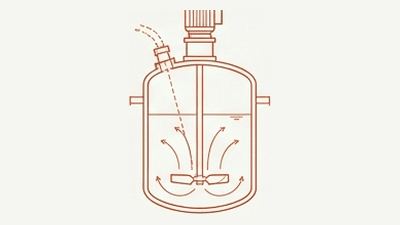
Agitators & mixers
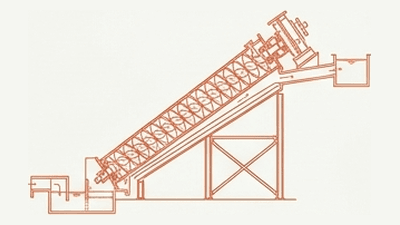
Archimedes screws
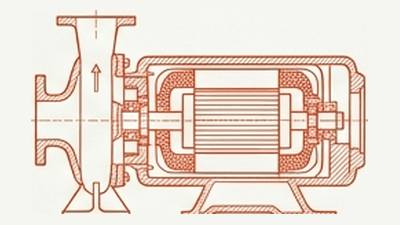
Canned motor pumps
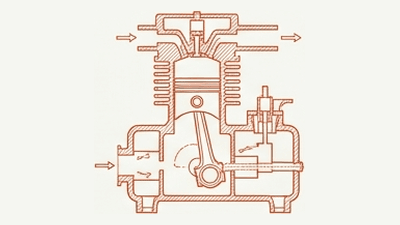
Compressors
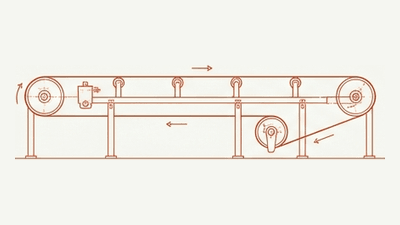
Conveyors
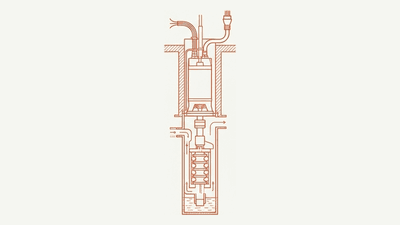
ESPs
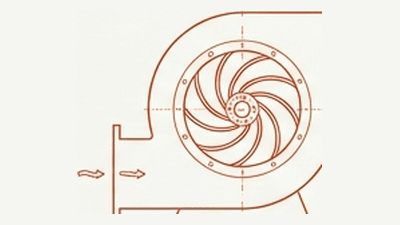
Fans & blowers
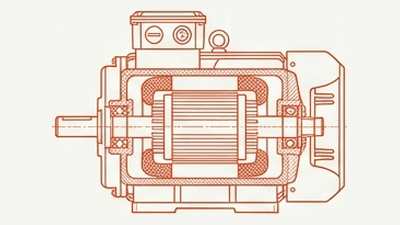
LV motors
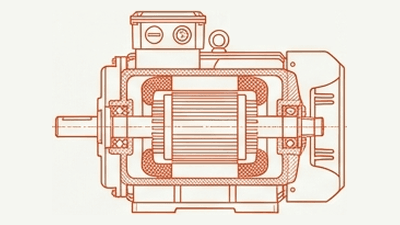
MV motors
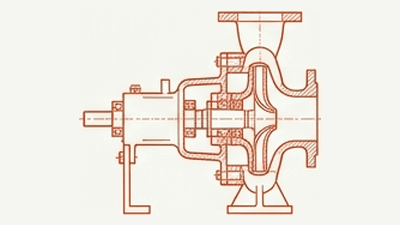
Pumps
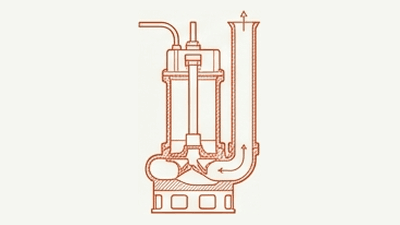
Submerged Sewage Pumps
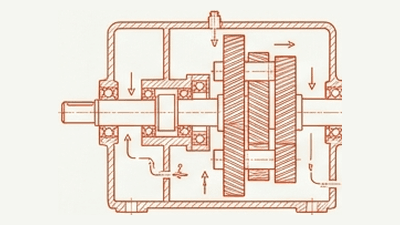
Transmissions
Common questions
ESA reads current and voltage waveforms at the motor control cabinet. SAM4 analyses those signals to detect patterns linked to electrical, mechanical, and operational faults across the motor-driven system.
It can also track load, operating behaviour, efficiency losses, and performance drift. No sensors are mounted on the machine.
SAM4 monitors AC-motor-driven assets such as pumps, fans, compressors, conveyors, transmissions, ESPs, mixers, and motors. Suitability depends on motor type, load profile, operating behaviour, drivetrain configuration, and the fault modes you need to detect. That is why we start with an asset fit review.
Installation typically takes under 60 minutes per asset once cabinet access and safe-working approval are in place. Split-core current transformers clip onto existing cables in the motor control cabinet. Voltage connections require a short de-energisation at the cabinet. No field access to the asset is required.
Installation is fast, but useful monitoring depends on asset fit, operating data, correct configuration, and clear success criteria. The asset fit review covers all four before deployment.
Most customers reach payback inside 12 months, but ROI depends on asset criticality, failure rate, downtime cost, inspection effort, and deployment scale.
Yorkshire Water's internal analysis shows over £10M in benefit across its deployment. DuPont has tracked over $1.1M in value on a single site since its 2024 deployment. ArcelorMittal avoided 31 hours of unplanned downtime across 27 detected failures in one year.
SAM4 integrates through REST API or MQTT. Common integrations include SAP PM, IBM Maximo, and other CMMS platforms. Diagnostic reports can be pushed into your existing work order flow, so teams can act inside the systems they already use.
Vibration monitoring provides strong diagnostics on accessible assets where sensors can be mounted close to the machine. SAM4 uses electrical signature analysis to monitor from the motor control cabinet. That makes it useful for assets where mounted sensors are difficult, unsafe, expensive, or impractical: submerged pumps, enclosed drives, hazardous-zone motors, rooftop fans, and distributed fleets.
The two methods are complementary. SAM4 does not replace vibration everywhere. It fills the monitoring gap where access-dependent methods struggle.
SAM4 scores detections by severity, urgency, and confidence. Ambiguous and edge-case detections are reviewed by Samotics reliability engineers before they reach your team. Post-review false-alert rate is 2.1%. Every customer-facing alert includes a diagnosis, severity assessment, supporting evidence, and a recommended action.
Find the assets your current sensors do not cover.
Start with an asset fit review. We map your rotating fleet, identify monitoring gaps, and show where SAM4 is likely to add value. You get an engineer-to-engineer view of fit, limits, deployment effort, and expected business case.